Museums are not just a place for the curious and those seeking culture to visit. They are also educational institutions with important roles in our communities, providing education to adults. Museums may be primarily thought of as cultural centers – places where people go to learn about art, history, science and more – but they serve many other functions too. In fact, museums have many hidden values that extend far beyond their exhibition halls.
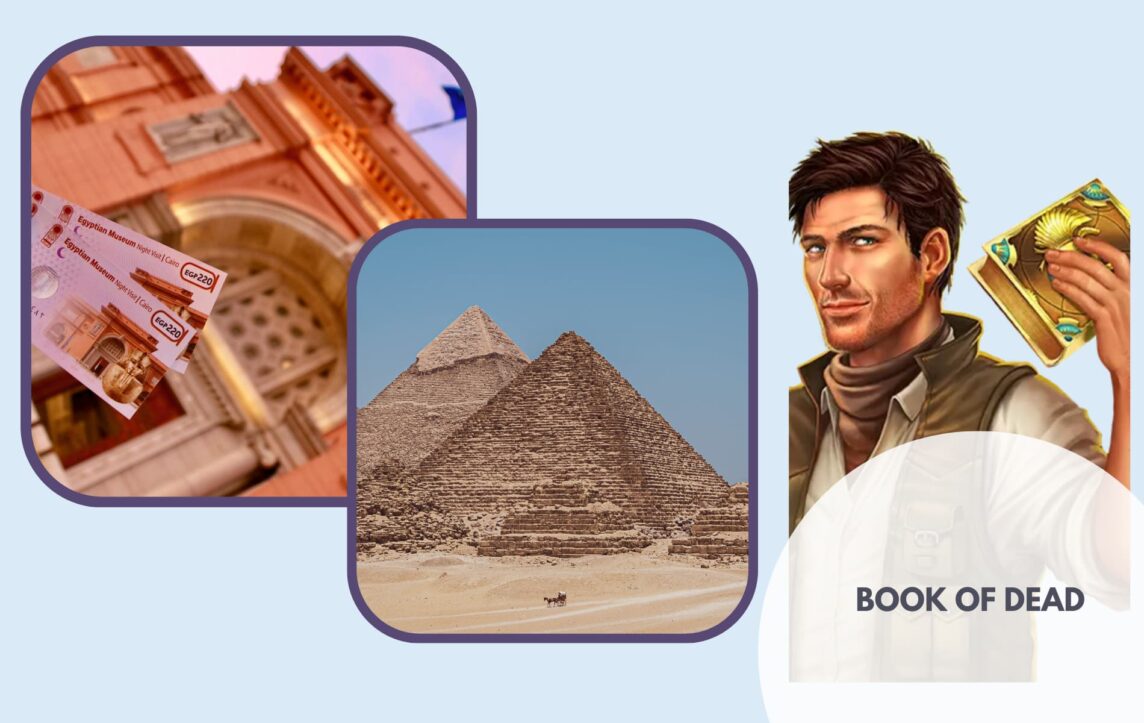
Here is a pokies list at House of Pokies that will easily transport you to the times of mighty Cleopatra:
- Book of Dead
- Cleopatra
- Coins of Egypt
- Mega Moolah Isis
The website provides a powerful platform to highlight fantastic cultural treasures of our world which many people would not have seen otherwise. Digital artists want to share their most personal feelings with the world. They usually do this through their work, which is a way for them to communicate with users. Many artists have now turned to online platforms in order to showcase their emotions for a bigger audience.
In this article we’ll talk about digital designers’ choice of the best exhibitions in European museums in 2023 that can enrich digital-user experiences.
Best Exhibitions in European Museums according to Graphic Designers
There are so many exhibitions happening in museums around the world and you can never get enough of them. But there are some that might be worth your attention for their artistic value, their historical relevance or simply because they have a very interesting topic to explore.
The list starts with Donatello: Sculpting the Renaissance. There are so many great things happening on our planet these days, but what would be more exciting than exploring Europe’s history? In addition to being a cultural treasure trove, there is plenty for those who love design and fashion at the V&A Museum Exhibition. From historical ones to retrospectives committed to modern art.
The second show, Golden Mummies of Egypt in the UK, is unmissable. This incredible display is the first of its kind to be staged in Manchester, concentrating on an afterlife in Ancient Egypt. Spanning from 1400 BC until 332 AD, this exhibition includes artifacts such as mummies and sarcophagi, alongside sculptures and papyrus texts. You can see how belief about life after death changed over time by comparing different periods: for example, before 1400 BC Egyptians were buried with grave goods to provide them with everything they needed in the next world.
Finally, it is Luxury and Power: Persia to Greece. The recent exhibit of ancient Persia’s treasures at the Royal Academy offers a tantalizing glimpse into an empire that lasted for over 2,500 years. Included in the exhibit are loans from museums around the world, including items from Iran and Greece. The highlight is undoubtedly Bulgaria’s Panagyurishte Treasure — the largest gold hoard ever found in Europe, consisting of 264 items dating to the 4th century BC. This exhibit is a mixture of both ancient Persian treasures and artifacts from the British Museum’s collection. It showcases two cultures in their art, society, religion and culture. This exhibit displays many different objects such as gold vessels, precious stones and figurines made with great detail by artists of the time period.
Museums are places of exploration and discovery. They inspire visitors to learn more about the world around them, to appreciate the cultures that exist beyond their hometowns, and to see what is possible when they take a chance on something new. Museums have been shown time and again as agents for community change, where people come together in an inclusive space to experience shared moments of awe or deep reflection with one another.
Designers are the people who create fashion, games, films and other products. They need to know what is happening in the world so they can stay up-to-date with design trends and produce great designs. Museum exhibitions help them do this.
Conclusion
Graphic design has become synonymous with the work of artists, who came to prominence a long time ago. The profession has undergone significant changes since then, which is not least because technology — and access to it — has evolved so radically.
Digital art is important in today’s world. There is something magical about being able to experience history, art, science, nature and more without ever leaving your seat or home. You’re also connecting with others who share your interests.