home-g

The Evocative Beauty of Contemporary Art in Interior Design: Transforming Spaces and Personalizing Interiors

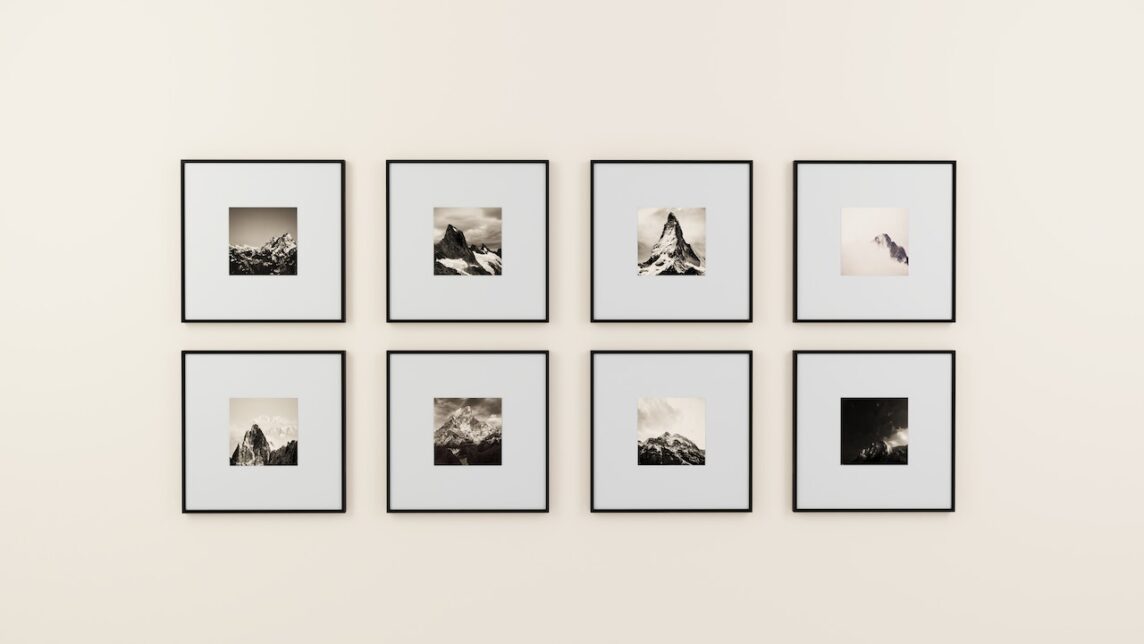
Contemporary art has emerged as a prominent and integral aspect of modern interior design, adding vibrancy, personality, and a touch of sophistication to living spaces. As a company specializing in house renovations, we have had the opportunity to observe how the right contemporary art pieces can elevate a space from being merely functional to truly extraordinary. This article delves into the captivating world of contemporary art in interior design, discussing its impact, offering practical tips on how to incorporate it effectively in your home, and highlighting some of the popular trends in contemporary art.

The allure of contemporary art lies in its ability to encapsulate the spirit of the present moment. Artists are constantly pushing boundaries by exploring new techniques, mediums, and themes, resulting in a diverse array of styles and subject matter. This makes contemporary art an exciting and versatile choice for interior design, as it can be tailored to suit a wide range of tastes and preferences, from minimalistic to eclectic.

One of the key advantages of incorporating contemporary art into your interior design is its potential to create a unique and personal environment. By selecting pieces that resonate with your own aesthetic sensibilities, you can establish a visual narrative that reflects your identity and values. Furthermore, contemporary art often serves as a conversation starter, providing an opportunity for you to share your passions and interests with others, thereby fostering a deeper sense of connection with those who visit your home.

Trends

In recent years, several contemporary art trends have captured the attention of interior designers and homeowners alike. These trends include:

  • Abstract expressionism: Characterized by bold colors and gestural brushstrokes, abstract expressionism adds a sense of movement and energy to a space.
  • Digital art: As technology continues to advance, digital art has gained popularity for its innovative and limitless possibilities. This genre can range from digital paintings to immersive installations, offering a unique visual experience.
  • Street art-inspired pieces: Graffiti and street art have found their way into homes, bringing a sense of urban edge and rebellious spirit to interior spaces.
  • Sustainable and eco-conscious art: With growing awareness of environmental issues, many contemporary artists are incorporating sustainable materials and practices into their work, such as using reclaimed materials or creating art that addresses environmental themes.
Tips

When selecting contemporary art for your home, consider the following tips to ensure a harmonious and impactful result:

  1. Define your personal style: Assess your preferences, and take note of recurring themes, colors, or subjects that attract you. This will help you select pieces that genuinely resonate with your tastes and create a cohesive design.
  1. Consider the room’s purpose: Different spaces serve different functions, and the artwork should complement and enhance the room’s intended purpose. For example, serene and calming pieces may be more appropriate for a bedroom, while bold and energetic works can enliven a living room or office.
  1. Don’t be afraid to mix styles: Combining different artistic styles can create a dynamic and engaging environment. Experiment with various genres, such as abstract, figurative, or street art, to find the perfect blend for your space.
  1. Pay attention to scale and proportion: Ensure the size of the artwork is appropriate for the room and wall it will occupy. Oversized pieces can overwhelm a small space, while undersized works may seem insignificant in a large area. Remember to consider the height of your ceilings and the dimensions of your furniture when selecting the appropriate size for your artwork.
  1. Balance color and contrast: When selecting artwork, consider the existing color palette of your space. Complementary colors can create harmony, while contrasting hues can add a striking visual impact. Additionally, think about the overall mood you wish to achieve, and choose pieces that support that atmosphere.
  1. Lighting is crucial: Proper lighting can enhance the beauty of your art and create a dramatic atmosphere. Consider using spotlights, track lighting, or picture lights to showcase your favorite pieces. Ambient lighting can also create a warm and inviting environment, setting the stage for your artwork to shine.
  1. Rotate your collection: Regularly changing the artwork in your home can keep the environment fresh and interesting. Swap out pieces from different rooms, or consider investing in new works to continually evolve your personal art collection. This practice not only reinvigorates your space but also allows you to experience different aspects of your collection over time.
  1. Trust your instincts: Ultimately, the most important factor when choosing contemporary art for your home is your personal connection with the pieces. Trust your instincts and select works that evoke an emotional response or hold personal meaning for you. Your home is a reflection of your personality, and the art you choose should resonate with your unique tastes and sensibilities.

In conclusion, contemporary art is a powerful tool in interior design that can create captivating, personalized spaces. By following the tips above and selecting works that align with your personal style and preferences, you can harness the transformative potential of contemporary art to breathe new life into your home. From the bold and daring to the subtle and serene, contemporary art offers an array of possibilities for homeowners to explore, ensuring that each space is a true reflection of individuality and personal expression.
museum

Blending Boundaries: Art and Design Explored

Art and design are two intertwined forms of visual communication that frequently overlap and challenge their respective domains. This interplay raises questions about whether design can be considered art, and if art can be viewed as a form of design. In this article, we examine the relationship between these creative fields, exploring how they intersect, diverge, and what sets them apart.

The Essence of Art

Art is typically defined as an expression and application of creative skill and imagination, spanning various forms such as painting, photography, and sculpture. The primary objective of art is to create works that evoke beauty, emotional depth, or intellectual stimulation. Artists aim to express their vision, ideas, or emotions through their creations, often defying traditional norms and pushing boundaries. Art melds creativity and technical proficiency to transform beauty, emotional intensity, or conceptual notions into visual manifestations. The concept of art is extensive and debated, leading to highly subjective and diverse appreciation across cultures and historical periods.

The nature of design

Design, on the other hand, refers to a plan or instruction for the construction of an artefact, system, activity or process. The design cycle revolves around the making of a scheme, or prototype, or a finished product, or a process, with the end user in mind. Design informs many aspects of daily life, ranging from fashion, furnishings, products, computer games, software interfaces, branding, animation, publishing and advertising. Design is grounded in practicality and is not solely concerned with aesthetics; it must prioritise the needs of the end user. Although designers may convey feelings and ideas through their work, self-expression is secondary to the creation of practical objects, tools or environments.

Shared characteristics

Art and design share several similarities, including the underlying design principles of shape, colour, line, scale, contrast and balance. Both artists and designers develop their creative abilities by studying artistic methods such as drawing, painting and sculpture. In addition, both fields can produce visually appealing works worthy of display and admiration. In addition, art and design can be used to tell stories, although for different purposes. In art, storytelling is often the primary focus, while in design it is a vehicle to achieve a specific goal or convey a statement.

Artists and designers frequently collaborate, with design playing a role in the creation of numerous artworks. Fashion photographers capture designers’ creations, contemporary artists reinterpret elements of popular design culture, and sculptors use commercial products as inspiration for their art. These blurred lines can lead some designers to view their work as art. However, the crucial distinction between art and design lies in their purpose and function.

Contrasting Features

The primary difference between fine art and design resides in their purpose and function. Fine art, or “high art,” is created for enjoyment and display, while design, considered a “low art,” serves a purpose and has a function. Fine art is traditionally appreciated for its aesthetic beauty and is often enjoyed and displayed by those with refined taste and resources. In contrast, low arts, including design, decorative arts, and crafts, are created for the masses, making them accessible, easily understood, and available to a wide audience.

Graphic design, though sharing similarities with art, is not considered art. It employs design methodologies to create clear visual messages and solve problems, thus falling into the design category rather than art. Recognizing the unique aspects of art and design allows for a more profound appreciation of the beauty, functionality, and emotional impact that these creative expressions bring to our world.

It is crucial to acknowledge and appreciate the unique aspects of art and design, as they each contribute to the richness and diversity of human expression and experience. They complement each other in various ways, with artists finding inspiration in design and designers incorporating artistic elements into their work. This ongoing relationship and dialogue between art and design make it difficult to definitively separate the two, as they often inform and influence each other.

In our daily lives, we can enjoy the beauty and ingenuity of both art and design. From admiring the creative expertise of fashion and interior design to purchasing and displaying art for sale alongside “low arts” such as exquisite furniture or well-designed objects, the worlds of art and design continuously intersect and enrich our surroundings. By understanding and acknowledging the differences and similarities between these creative fields, we can better appreciate the value and significance of both art and design in our lives and the world at large.

As we continue to explore the realms of art and design, we can further push the boundaries of what is considered art or design and challenge traditional definitions. This ongoing conversation and debate create an exciting and dynamic environment for artists, designers, and creative professionals to experiment and innovate, ensuring that the worlds of art and design will continue to evolve and thrive.

Conclusion

In conclusion, while art and design are distinct in their purpose and function, they also share many similarities and often intersect in various ways. The complex relationship between these creative fields enriches our understanding of human expression and fosters innovation and growth in both areas. By appreciating the unique contributions of art and design, we can enhance our experience and enjoyment of the world around us, and celebrate the incredible creativity and diversity of human expression.

These Museum Exhibitions Helped Digital Artists Enrich Digital Users Experience at House of Pokies

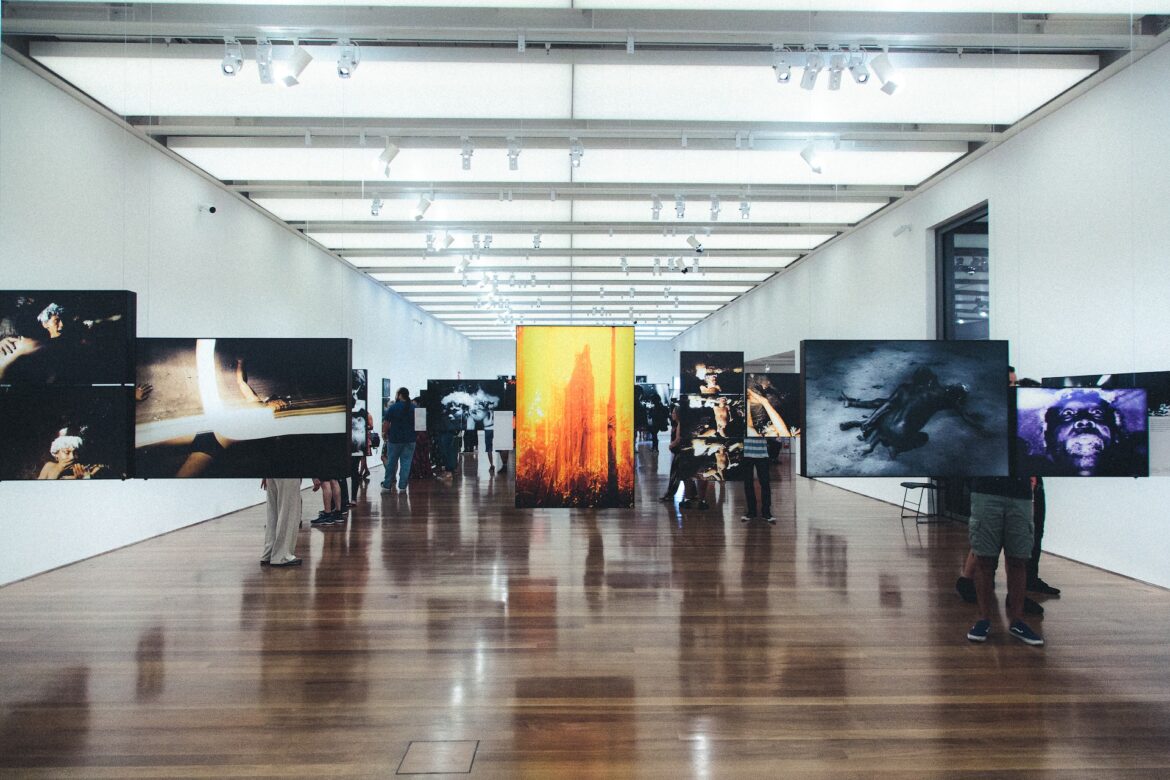
Museums are not just a place for the curious and those seeking culture to visit. They are also educational institutions with important roles in our communities, providing education to adults. Museums may be primarily thought of as cultural centers – places where people go to learn about art, history, science and more – but they serve many other functions too. In fact, museums have many hidden values that extend far beyond their exhibition halls.

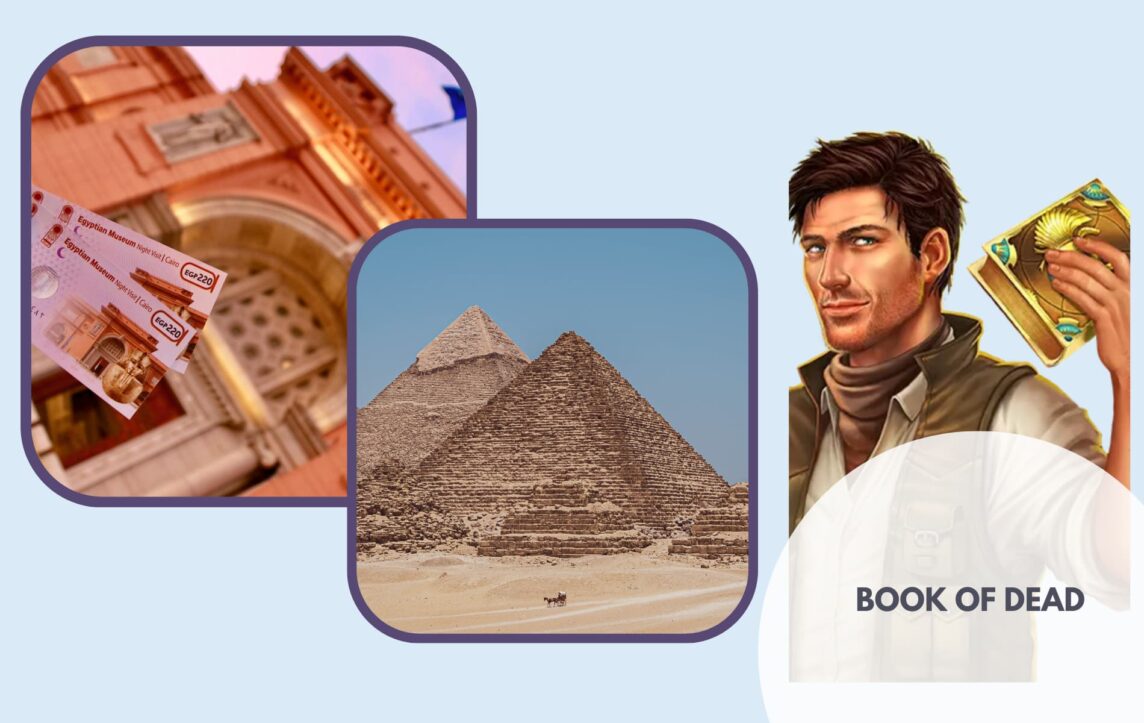
Here is a pokies list at House of Pokies that will easily transport you to the times of mighty Cleopatra:

  • Book of Dead
  • Cleopatra
  • Coins of Egypt
  • Mega Moolah Isis

The website provides a powerful platform to highlight fantastic cultural treasures of our world which many people would not have seen otherwise. Digital artists want to share their most personal feelings with the world. They usually do this through their work, which is a way for them to communicate with users. Many artists have now turned to online platforms in order to showcase their emotions for a bigger audience.

In this article we’ll talk about digital designers’ choice of the best exhibitions in European museums in 2023 that can enrich digital-user experiences.

Best Exhibitions in European Museums according to Graphic Designers

There are so many exhibitions happening in museums around the world and you can never get enough of them. But there are some that might be worth your attention for their artistic value, their historical relevance or simply because they have a very interesting topic to explore.

The list starts with Donatello: Sculpting the Renaissance. There are so many great things happening on our planet these days, but what would be more exciting than exploring Europe’s history? In addition to being a cultural treasure trove, there is plenty for those who love design and fashion at the V&A Museum Exhibition. From historical ones to retrospectives committed to modern art.

The second show, Golden Mummies of Egypt in the UK, is unmissable. This incredible display is the first of its kind to be staged in Manchester, concentrating on an afterlife in Ancient Egypt. Spanning from 1400 BC until 332 AD, this exhibition includes artifacts such as mummies and sarcophagi, alongside sculptures and papyrus texts. You can see how belief about life after death changed over time by comparing different periods: for example, before 1400 BC Egyptians were buried with grave goods to provide them with everything they needed in the next world.

Finally, it is Luxury and Power: Persia to Greece. The recent exhibit of ancient Persia’s treasures at the Royal Academy offers a tantalizing glimpse into an empire that lasted for over 2,500 years. Included in the exhibit are loans from museums around the world, including items from Iran and Greece. The highlight is undoubtedly Bulgaria’s Panagyurishte Treasure — the largest gold hoard ever found in Europe, consisting of 264 items dating to the 4th century BC. This exhibit is a mixture of both ancient Persian treasures and artifacts from the British Museum’s collection. It showcases two cultures in their art, society, religion and culture. This exhibit displays many different objects such as gold vessels, precious stones and figurines made with great detail by artists of the time period.

Museums are places of exploration and discovery. They inspire visitors to learn more about the world around them, to appreciate the cultures that exist beyond their hometowns, and to see what is possible when they take a chance on something new. Museums have been shown time and again as agents for community change, where people come together in an inclusive space to experience shared moments of awe or deep reflection with one another.

Designers are the people who create fashion, games, films and other products. They need to know what is happening in the world so they can stay up-to-date with design trends and produce great designs. Museum exhibitions help them do this.

Conclusion

Graphic design has become synonymous with the work of artists, who came to prominence a long time ago. The profession has undergone significant changes since then, which is not least because technology — and access to it — has evolved so radically.

Digital art is important in today’s world. There is something magical about being able to experience history, art, science, nature and more without ever leaving your seat or home. You’re also connecting with others who share your interests.

A Guide to Finding the Best History Homework Help Resources Online

There are many online resources that can help you with your history homework. However, not all of these resources are created equal. Some are more reliable than others, and some are more user-friendly than others. In this guide, we will discuss some of the best history homework help resources online.

Narrow your focus to a few of the most promising resources

The internet is a vast and seemingly limitless resource. When you’re first starting out on your research journey, it can be easy to feel overwhelmed by the sheer amount of information that’s out there. That’s why it’s important to narrow your focus to a few of the most promising resources.

One great way to do this is to look for resources that have been recommended by other experts in your field. If you know of any professors or professionals who are knowledgeable about your topic, see if they can suggest any good websites or databases. Another option is to search for online reviews of research resources.

Once you’ve found a few promising resources, take some time to explore them in depth. See what kinds of information they offer and how easy they are to use domypapers.com. Pay attention to any fees that might be associated with using the resource. And most importantly, don’t be afraid to ask for help if you get stuck. There are plenty of people who are more than happy to help you find the information you need.

Take advantage of free trials or sample content to get a feel for each resource

In today’s day and age, there are a ton of different resources available at our fingertips for almost anything we could want or need. However, with so many options available, it can be tough to decide which resource is the best fit for us. A great way to get a feel for a resource before fully committing to it is to take advantage of any free trials or sample content that might be available.

This way, we can get a feel for what the resource has to offer and whether or not it is something that we would actually use. If the resource is something that we find we really like, then we can decide if we want to commit to it long-term. However, if we find that the resource isn’t really for us, then we haven’t wasted any money on it.

There are a ton of great resources out there, so it’s definitely worth taking advantage of free trials or sample content to help us narrow down our options and find the perfect fit for us.

Make your final decision based on a combination of factors, including cost, content, and user-friendliness

When you’re ready to make your final decision on which content management system to use for your website, it’s important to consider a few key factors. Cost is always an important consideration, but you’ll also want to think about the content you’ll be managing and the user-friendliness of the system. Ultimately, the best CMS for your needs will be a balance of all of these factors.

If cost is your primary concern, you’ll want to look for a system that is either free or very affordable. WordPress is a popular option that fits into this category. If you need a more robust system with more features, you may need to invest in a paid CMS like Joomla or Drupal.

Content is also an important consideration. If you have a lot of content that needs to be managed, you’ll want to make sure the CMS you choose has robust content management features. If you need to manage a lot of files or media, you’ll want to make sure the system can handle that as well. And if you have specific needs like eCommerce integration, you’ll want to make sure the system you choose can accommodate that.

Finally, you’ll want to consider the user-friendliness of the system. This is especially important if you’re not a technical person. You’ll want to make sure the system is easy to use and understand, with clear instructions on how to do everything you need to do. The best way to gauge this is to try out the system yourself or talk to someone who has used it before.

By taking all of these factors into consideration, you can make the best decision for your needs and choose the right content management system for your website.

How visiting museums can inspire a modern designer

Visiting museums can be an inspiring manifestation of creativity for modern-day designers. Through exposure to beautiful works of art and creative design ideas, visiting various museums can help designers break free from current trends and open their eyes to new perspectives that could potentially revolutionize the design world. Not only can visiting museums allow designers to get in touch with classic works of art and design, but it also offers unique opportunities to observe a variety of cultures, interpretations, and diverse visions. For an individual striving for success as a modern designer, visiting museums is an excellent way to gain necessary creativity and inspiration that might bring about unexpected solutions when aiming for innovative designs.

What do a designer and an artist have in common?

Designers and artists have a lot in common! Both possess bursts of creativity, an eye for detail, and a passion for developing something completely unique. Designers typically focus on interpreting their vision into pixels or tangible materials, while artists express what is fundamental to themselves through paint, clay, or other mediums. While their tools of choice and creative processes may not necessarily be the same, both designer and artist strive to craft work that speaks the same message: that this is something worth sharing with the world.

How can a car designer make money from his work

Becoming a car designer can be extremely rewarding; both financially and professionally. It involves a lot of hard work and creativity, but if you have the right ideas, you can make quite a bit of money. You could be hired by car companies to design their new models, or perhaps venture out on your own by starting your own custom car building business. Whether it’s forming relationships with car dealerships or creating special offers for car enthusiasts, there are so many different ways to make money in car design if you’re willing to put in the effort!

Can a car design exhibition be successful

A car design exhibition can be a fantastic way to explore the captivating combination of art and technology. With each car representing its own unique story, artwork and engineering coming together, an exhibition serves as a fascinating insight into the combination of looks, performance and history of car designs. It can also demonstrate how car design has developed over time – from those classic first vehicles that started our automobile journey through to the visionary car models of today, car design exhibitions can show how far car design has come – and offer some clues about where it could be heading in the future. With cars so intriguing for both car aficionados and everyday admirers alike it makes sense that such an exhibition can be successful, giving visitors access to some magical car journeys!

Why the modern designer should deal with the NFT

With the modern designer in mind, there’s no better time to explore NFTs (non-fungible tokens)! By embracing this disruptive technology, modern designers can disrupt the world of art in a meaningful and rewarding manner. NFTs are more than just digital images, they offer unprecedented ownership and scarcity to the modern designer which encourages creativity and innovation. For modern designers looking to explore cutting-edge technology, NFTs represent an incredible opportunity for experimentation and creativity.

Modern equipment that helps designers in their work

Working as a modern designer has never been easier with the amazing modern equipment available! From specialized software to 3D printers, modern designers are able to efficiently create high-quality designs that wouldn’t have been possible with traditional methods. With this modern equipment, designers are able to take ideas and bring them to life in ways they would have only dreamed of before. Designers can now be confident their work meets the highest standards, all thanks to modern equipment which helps them every step of the way. It’s truly incredible what modern technology is capable of helping us achieve!

Where does a car designer get inspiration?

Car designers are often inspired by the beauty of the car itself. The smooth lines and curves, the flexibility and power of its engine, and the luxurious features that come with it, all contribute to the level of inspiration car designers can draw from. Technology is also a great source of inspiration for car designers as they keep up with new tech trends, such as driverless cars or auto-protection systems. Insights from customers’ feedback also provide car designers with invaluable ideas that can help improve car designs. In a nutshell, car designers have a plethora of sources when seeking inspiration for their revolutionary car masterpieces!